
Conditions We Manage
The Bladder and Pelvic Clinic provides assessment and multidisciplinary care for adults with a range of bladder and pelvic conditions, including:
Overactive bladder
Voiding and bladder emptying difficulties
Interstitial cystitis or bladder pain syndrome
Recurrent or chronic urinary tract infection (UTI)
Urinary incontinence
Pelvic organ or vaginal prolapse
Pelvic symptoms associated with menopause or hormonal change
Pelvic floor dysfunction
Chronic bladder-related or pelvic pain
Persistent urinary tract symptoms without infection
Management plans are individualised and may include a combination of:
Medical therapies
Dietary and gut health advice
Pelvic health physiotherapy
Bladder-directed therapies where appropriate
Pain and symptom management strategies
Psychological support
Lifestyle and behavioural measures
Surgery, where indicated and following appropriate assessment
Treatment options are discussed with patients, including expected benefits, potential risks, and alternatives.
Treatment Principles
Important Information
Treatment outcomes vary between individuals
No specific outcome can be guaranteed
Your general practitioner remains an important part of your ongoing care
Referral Pathway
Patients can be referred by a GP, specialist, or allied health provider.
All referrals are reviewed by our clinical team. Patients are initially assessed by a Nurse Practitioner or Nurse, who coordinates history, investigations, and directs care.
Management is tailored to the individual and may involve relevant members of the multidisciplinary team, including medical specialists, physiotherapy, psychology, and nursing.
Referral received
Clinical review
Initial nurse assessment
Investigations (if required)
Directed multidisciplinary care
Ongoing management and follow-up
Pathway:
For referrals or enquiries, please contact the clinic by email or phone.
Procedures and Treatments
Diagnostic Procedures:
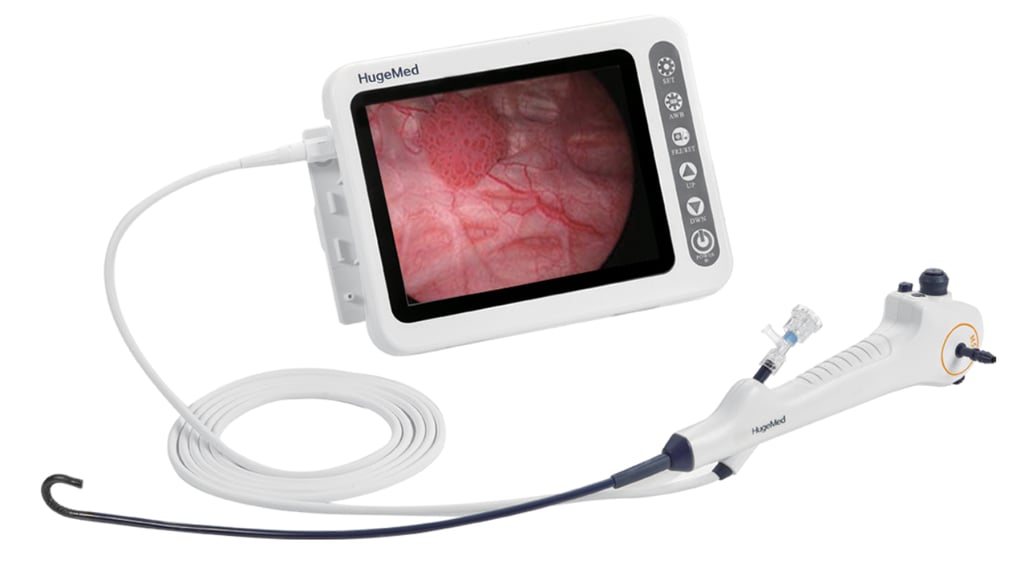
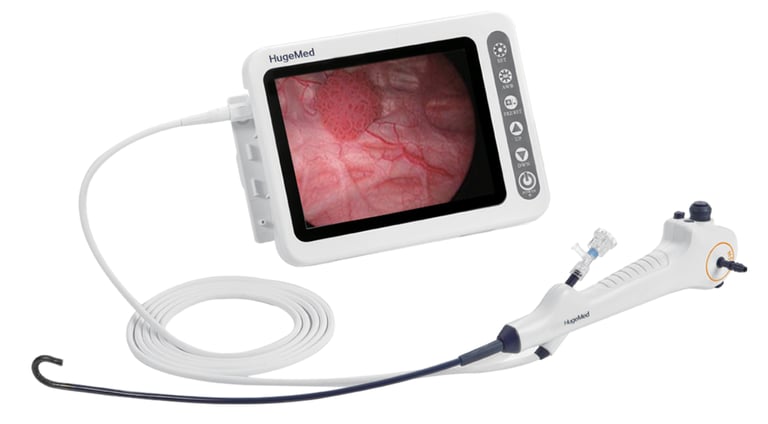
Cystoscopy and Bladder Biopsies
Urodynamic Studies
Bladder-Directed Therapies:
Bladder Botox® Injections
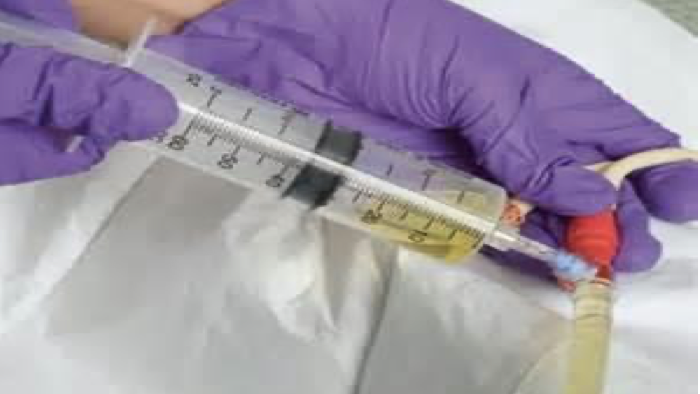
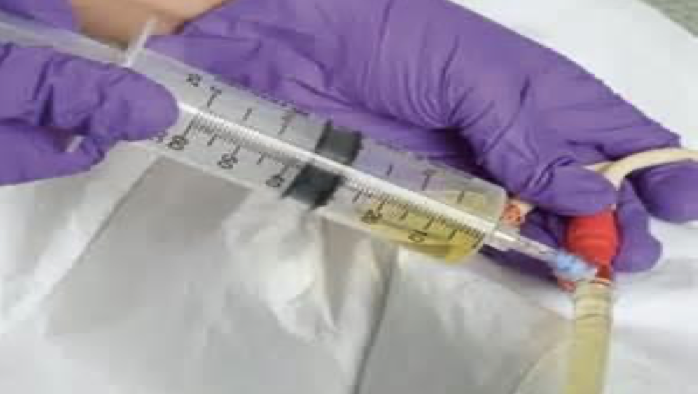
Bladder Instillations
Neuromodulation & Electrical Therapies:
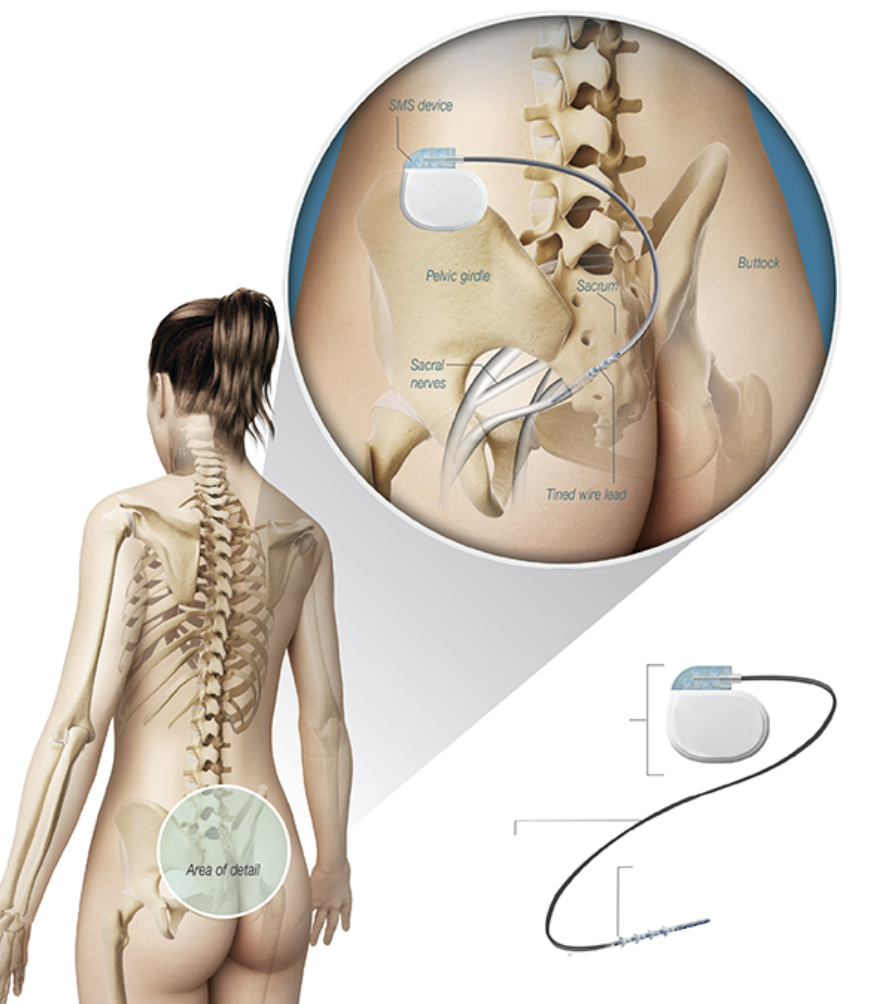
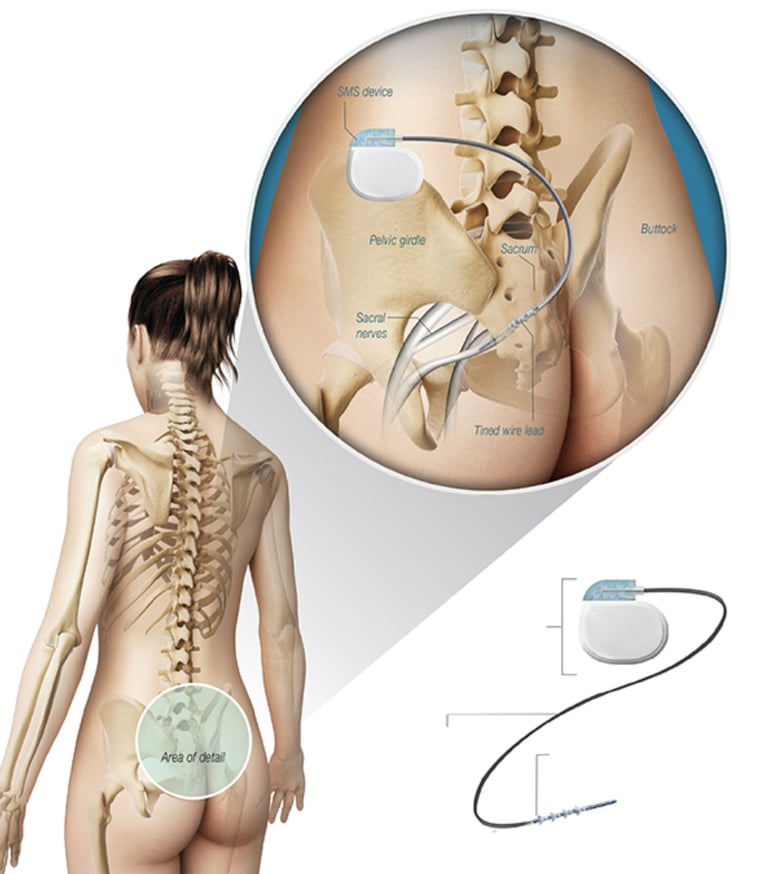
Sacral Neuromodulation
Percutaneous Tibial Nerve Stimulation (PTNS)
Transcutaneous Electrical Nerve Stimulation (TENS)
Surgical Procedures:
Mid-Urethral Slings
Mid-Urethral Bulking Agents
Prolapse Repair Surgery
Bladder or Vaginal Suspension Surgery
Hysterectomy and Oopherectomy
Prostate Ultrasound and Biopsies
Minimally Invasive Prostate Enlargement Surgery - iTind temporary stent and Rezum steam ablation
Physiotherapy-Led Therapies:
May include:
Pelvic floor rehabilitation
Bladder training
Relaxation and coordination therapies
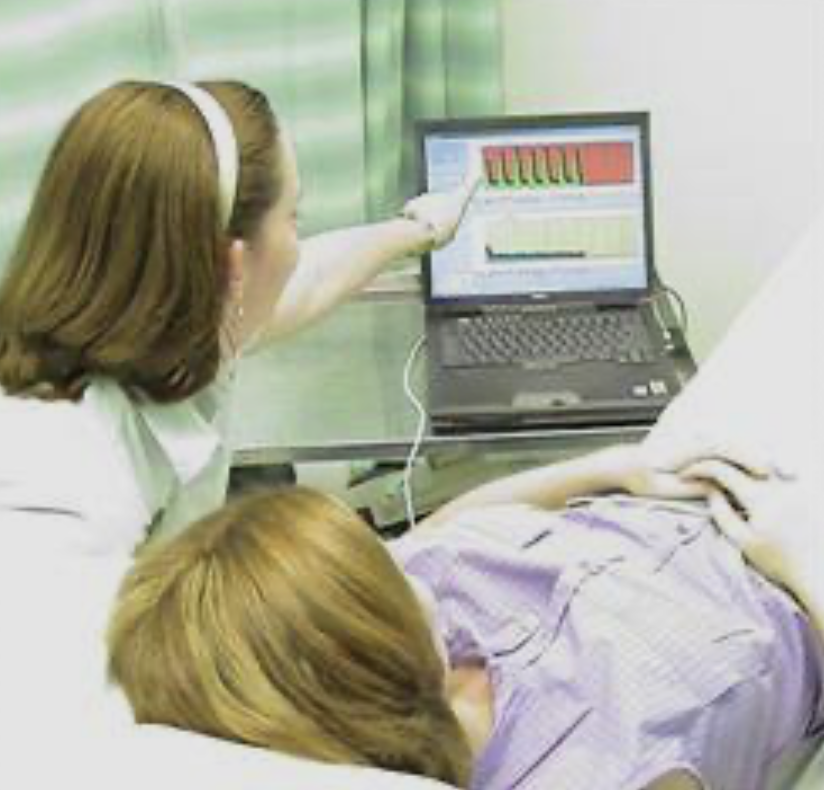
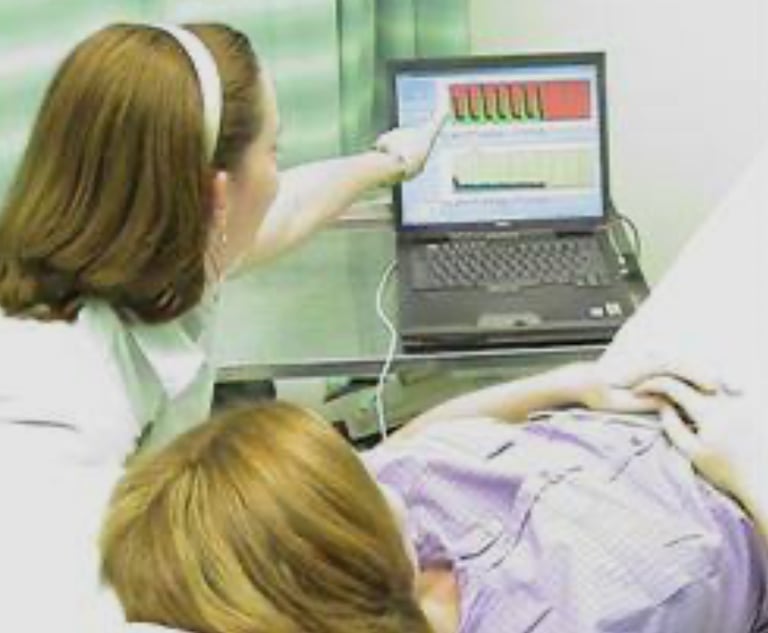
Adjunctive technologies such as biofeedback or electrical stimulation
Physiotherapy is often recommended before or alongside procedural treatments.
Important Information About Procedures
Procedures are offered only after an appropriate assessment
Not all patients will benefit from procedural intervention
Goals and outcomes vary between individuals
Risks and alternatives are discussed prior to consent
Ongoing follow-up is essential
Information about procedures is general in nature and does not constitute medical advice. Suitability for any investigation or treatment depends on individual assessment. All procedures carry potential risks and benefits, which are discussed during consultation.
Billing and Fee Information
The Bladder and Pelvic Clinic is a private service. Fees apply for all consultations.
Medicare rebates are available for eligible patients with a valid referral. Out-of-pocket costs will apply.
Nurse Practitioner
Initial Consultation (MBS Item 82215)
Cost: $180.00
Medicare rebate: $75.60
Dr Ooi
Initial Consultation (MBS Item 104)
Cost: $350.00
Medicare rebate: $86.15
Review Consultation (MBS Item 105)
Cost: $150.00
Medicare rebate: $43.35
Dr Chu
Initial Consultation (MBS Item 110)
Cost: $350.00
Medicare rebate: $151.90
Review Consultation (MBS Item 117)
Cost: $150.00
Medicare rebate: $76.00
Other Medical Specialists
Consultation fees: TBC
Medicare rebates: TBC
Payment is required at the time of consultation. For further information, please contact the clinic.